
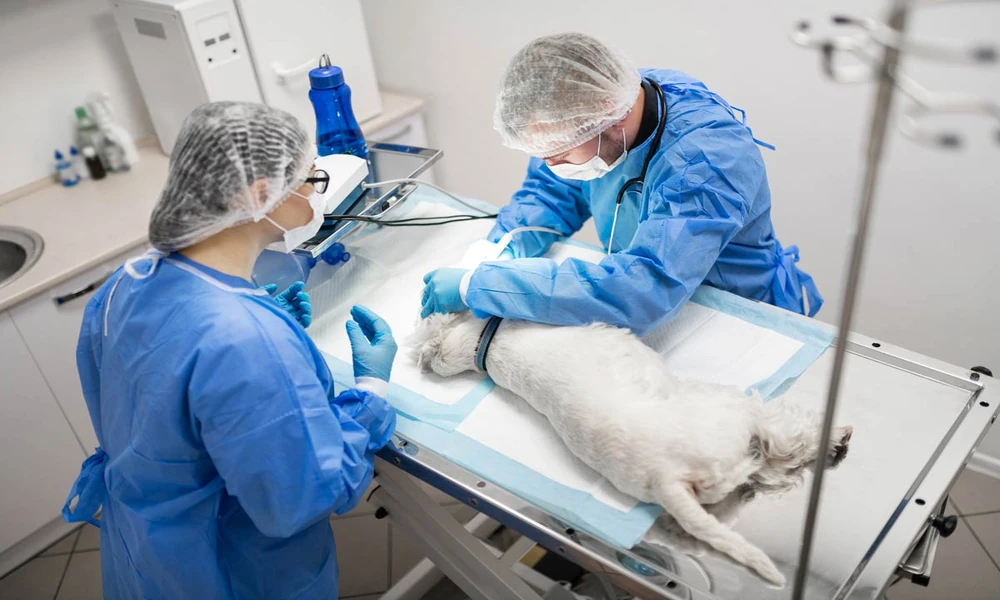
You notice the small things first. A little less energy on walks, a skipped meal, a change in how your pet sleeps or greets you at the door. Most people who love their animals know that uneasy feeling. You do not want to overreact, but you also do not want to miss something that could have been caught early, which is why finding a trusted animal hospital in Southern Pines, NC can make all the difference.
That is where the connection between animal hospitals and preventive medicine becomes clear. An animal hospital is not only a place for injuries, sudden illness, or emergencies. It is also where routine exams, vaccines, dental care, parasite control, nutrition guidance, and early screening work together to protect your pet before a problem grows. Preventive veterinary care often costs less, causes less stress, and gives your pet a better chance at a longer, healthier life.
Animal hospitals catch problems before they become crises
Many health issues in pets build slowly. Dental disease starts with mild plaque and turns into pain, infection, and trouble eating. Weight gain looks harmless until it puts strain on joints, the heart, and blood sugar. Parasites may not show obvious signs right away, yet they can affect both pets and people. The value of an animal hospital is not limited to treatment. It is in noticing patterns, tracking changes over time, and acting early.
That early action matters because pets hide discomfort well. A dog can keep wagging its tail while dealing with ear pain. A cat can keep using the litter box while kidney disease develops quietly in the background. By the time symptoms become hard to ignore, care is often more involved and more expensive.
Routine visits create a medical baseline. Your veterinarian learns what is normal for your pet’s weight, teeth, skin, mobility, appetite, and behavior. Once that baseline exists, even subtle changes stand out. This is one of the strongest links between animal hospitals and preventive medicine. Prevention is not a single vaccine or one annual checkup. It is an ongoing relationship built on observation and timing.
Preventive medicine protects pets and supports your household
Preventive care reaches beyond your pet. It affects your daily routine, your budget, and your peace of mind. Vaccinations help reduce the risk of serious infectious disease. Parasite prevention lowers the chance of fleas, ticks, heartworm, and intestinal worms entering your home. The Centers for Disease Control and Prevention explains that healthy pet habits also help protect human health, especially around children, older adults, and anyone with a weaker immune system. You can learn more from the CDC’s guidance on keeping dogs healthy and safe around people.
The financial side is hard to ignore. A wellness exam and routine lab work are easier to plan for than emergency surgery, hospitalization, or advanced treatment after a disease has progressed. That does not mean preventive care removes all risk. Pets still get sick. Accidents still happen. Prevention shifts the odds in your favor and gives your veterinarian more options when something does go wrong.
Animal hospitals also bring together services that are easy to overlook when life gets busy. Dental cleanings, senior screenings, puppy and kitten care, behavior advice, and chronic disease monitoring often happen under one roof. Cornell’s Small Animal Community Practice shows how a modern animal hospital supports routine and ongoing care, not just urgent cases.
Preventive care at an animal hospital reduces risk and long-term cost
It helps to look at preventive care next to delayed care in plain terms.
| Area of Care | Preventive Approach | Delayed or Reactive Approach |
|---|---|---|
| Dental health | Regular exams and cleanings can catch gum disease early and reduce pain | Untreated infection can lead to tooth loss, eating problems, and higher treatment costs |
| Weight management | Routine weigh-ins and diet guidance help prevent obesity and joint strain | Extra weight often leads to arthritis, lower mobility, and added medical needs |
| Parasite control | Monthly prevention and screening lower the risk of fleas, ticks, and worms | Infestations and parasite-related illness can spread in the home and require more treatment |
| Senior pet screening | Bloodwork and exams may catch kidney disease, thyroid issues, or diabetes early | Late detection can mean more severe symptoms and fewer treatment choices |
| Vaccination planning | Timely vaccines help prevent avoidable infectious disease | Illness may require isolation, intensive treatment, and recovery time |
This is the practical side of preventive pet care. You are not paying only for a visit. You are paying for fewer surprises, earlier answers, and a better chance to keep small issues from becoming life-changing ones.
Simple steps make preventive veterinary care easier to keep up with
Schedule routine exams before there is a problem. Put wellness visits on the calendar the same way you would for your own medical care. Puppies, kittens, seniors, and pets with chronic conditions may need more frequent checks. A standing plan makes it less likely that you will wait until your pet is clearly unwell.
Track changes at home. Write down shifts in appetite, water intake, bathroom habits, weight, energy, or behavior. Videos and photos can help too. You live with your pet every day, so your observations are part of good medicine. A short note about coughing, limping, or scratching can help an animal hospital connect the dots faster.
Ask for a prevention plan that fits your pet. Age, breed, lifestyle, and environment all matter. An indoor cat, a senior dog, and a puppy who visits parks have different needs. A tailored plan for vaccines, parasite prevention, dental care, and screening tests is more useful than generic advice.
Animal hospitals and preventive medicine work best as a long-term partnership
You do not need to wait for a crisis to use an animal hospital well. The strongest care often happens quietly, through regular visits, early screenings, and small adjustments that spare your pet pain later. That is the real connection between animal hospitals and preventive medicine. It is steady, practical care that protects health before something serious forces your hand.
If your pet is due for a checkup, now is a good time to schedule one and build a plan that covers the basics before they become urgent.