
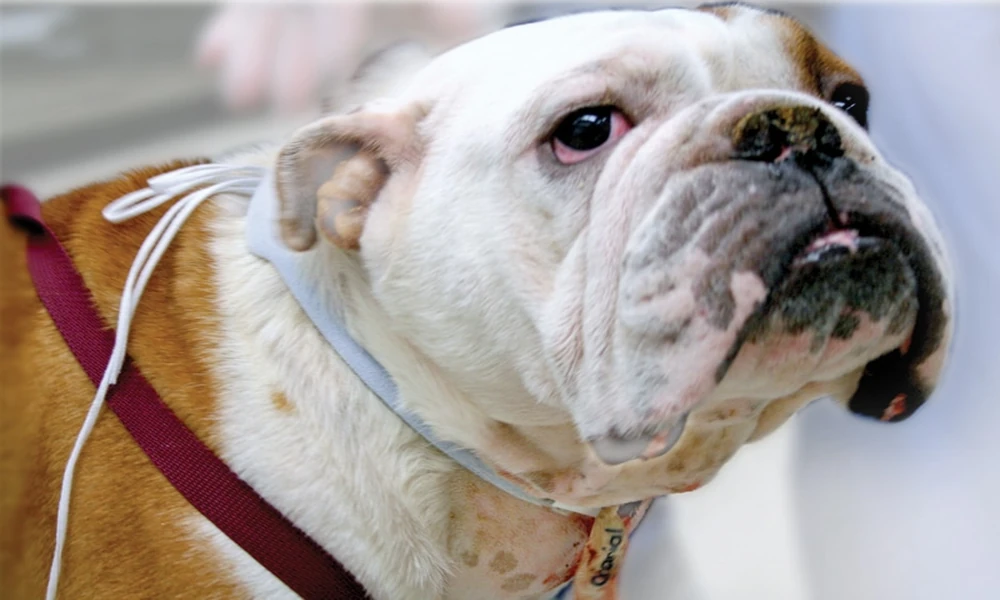
If your pet has a tracheostomy tube, you are probably watching every breath, every cough, every bit of mucus, and wondering what is normal and what is not. Hospital care can feel scary because the tube solves one problem while creating a new set of risks that need close attention, and access to veterinary care for pets in Langley, BC can help support you through this challenging time. You are not overreacting if you feel worn down, confused, or afraid to leave your pet’s side.
Pets with tracheostomy tubes need careful monitoring, regular suctioning or cleaning, humidified air in many cases, pain control, and fast action if the tube clogs or shifts. That is why hospital care matters. A good animal hospital team is not just treating the airway. They are protecting your pet from infection, distress, dehydration, skin irritation, and sudden breathing trouble while also helping you understand what comes next at home.
Hospital care for pets with tracheostomy tubes is constant and hands on
A tracheostomy tube creates a direct opening into the airway. That can be lifesaving, but it also bypasses some of the body’s normal defenses. Air is no longer filtered and humidified the same way through the nose and throat, which means secretions can become thick and harder to clear. A tube can plug with mucus, kink, slip out of place, or rub the skin around the stoma. Any of those problems can turn into an emergency fast.
In the hospital, staff watch for subtle changes that owners may not spot right away, such as increased breathing effort, noisy airflow, restlessness, blue tinged gums, or a drop in oxygen levels. Some pets need frequent suctioning. Others need the tube changed, the site cleaned, or oxygen support adjusted. Even a stable pet can have a rough stretch in the middle of the night because secretions build up when they rest.
This is where tracheostomy tube care for pets becomes less about one procedure and more about steady airway management. Your pet may also need sedation kept low enough to protect breathing but high enough to reduce panic. That balance is hard to manage at home in the early period after surgery or emergency placement.
What your veterinary team is watching during pet tracheostomy hospitalization
You may hear a lot of short updates from the care team because they are tracking many things at once. Breathing rate and effort come first, but they are also assessing the tube itself, lung sounds, hydration, temperature, comfort, and whether your pet can clear secretions without distress. If your dog or cat paws at the tube, becomes agitated, or lies in a way that bends the tubing, the risk goes up.
Feeding can also be tricky. Some pets are nauseated, too tired to eat, or at risk of aspiration. Skin care matters more than many owners expect because moisture around the stoma can irritate tissue and invite infection. A pet that seemed stable in the morning may need a different nursing plan by evening.
Large teaching hospitals often explain this process well in their client information pages. You can review general hospital expectations through Tufts Foster Hospital for Small Animals client FAQs and see another overview of what to expect at a veterinary hospital visit from the University of Florida. Those resources will not replace your pet’s treatment plan, but they can make the hospital setting feel less unfamiliar.
Hospital monitoring often prevents the setbacks owners fear most
The hardest part is that a pet can look better and still be fragile. You may think, if the tube is in place and breathing is quieter, why can’t we just go home? The answer is that airway patients can change quickly. Thick secretions, accidental dislodgement, bleeding, swelling, and infection risk are highest when care is inconsistent or delayed.
Take a common example. A dog with an upper airway obstruction gets a tracheostomy tube after an emergency. Once the panic of the first few hours passes, the dog seems calmer. Then secretions thicken overnight, the tube partially blocks, and breathing effort climbs. In a hospital, someone notices early and clears the tube. At home, that same delay can become a crisis before an owner even understands what they are seeing.
This is why hospital care for pets with tracheostomy tubes often includes round the clock nursing, not just surgeon oversight. Good nursing is what keeps small problems from becoming dangerous ones.
Home care and inpatient care are not the same thing
| Care Need | In Hospital | At Home |
|---|---|---|
| Airway monitoring | Continuous observation with trained staff watching breathing effort and tube position | Intermittent observation, often limited by sleep, work, and owner experience |
| Tube cleaning and suctioning | Performed as needed with sterile supplies and restraint support | Possible only after hands on training and with more stress for many pets |
| Emergency response to blockage | Immediate access to oxygen, replacement tubes, suction, and veterinary care | Response depends on owner recognition, supplies on hand, and travel time |
| Skin and stoma care | Frequent checks for discharge, odor, swelling, and tissue damage | Can be done well, but early changes are easier to miss |
| Medication adjustment | Fast changes based on pain, anxiety, infection risk, and oxygen needs | Limited to discharge instructions unless the pet is rechecked |
The table does not mean home care is impossible. Many pets do transition home safely. It means the first stage after placement usually needs a level of support that only an animal hospital can provide.
Three steps to take right away during veterinary airway care
Ask for a plain language update. You need more than “stable.” Ask how often the tube is being cleaned, whether your pet has needed suction, what signs of distress they have seen, and what would need to happen before discharge is safe. Clear answers reduce panic and help you prepare.
Request a home care demonstration before discharge. If your pet may go home with the tube still in place, ask the team to show you exactly how to clean around the stoma, check tube position, spot blockage, and respond if the tube comes out. Written instructions help, but live practice matters more.
Prepare your home like a recovery space. Keep the area calm, clean, and free of dust, smoke, and heavy activity. Gather spare supplies, medication instructions, emergency contact numbers, and a transport plan. If something changes at 2 a.m., you do not want to be searching for gauze or trying to remember which clinic is open.
Steady support makes pet airway treatment safer
If your pet is in the hospital with a tracheostomy tube, the fear you feel is real, and the close monitoring is there for a reason. This stage is about protecting each breath while the underlying problem is treated and the airway stays open. Pet tracheostomy care is demanding, but with a skilled hospital team and clear discharge planning, it becomes more manageable and less frightening.
Stay close to the care team, ask direct questions, and get hands on training before your pet comes home. If your pet is facing this kind of airway support, contact an animal hospital right away for guidance and urgent evaluation.