

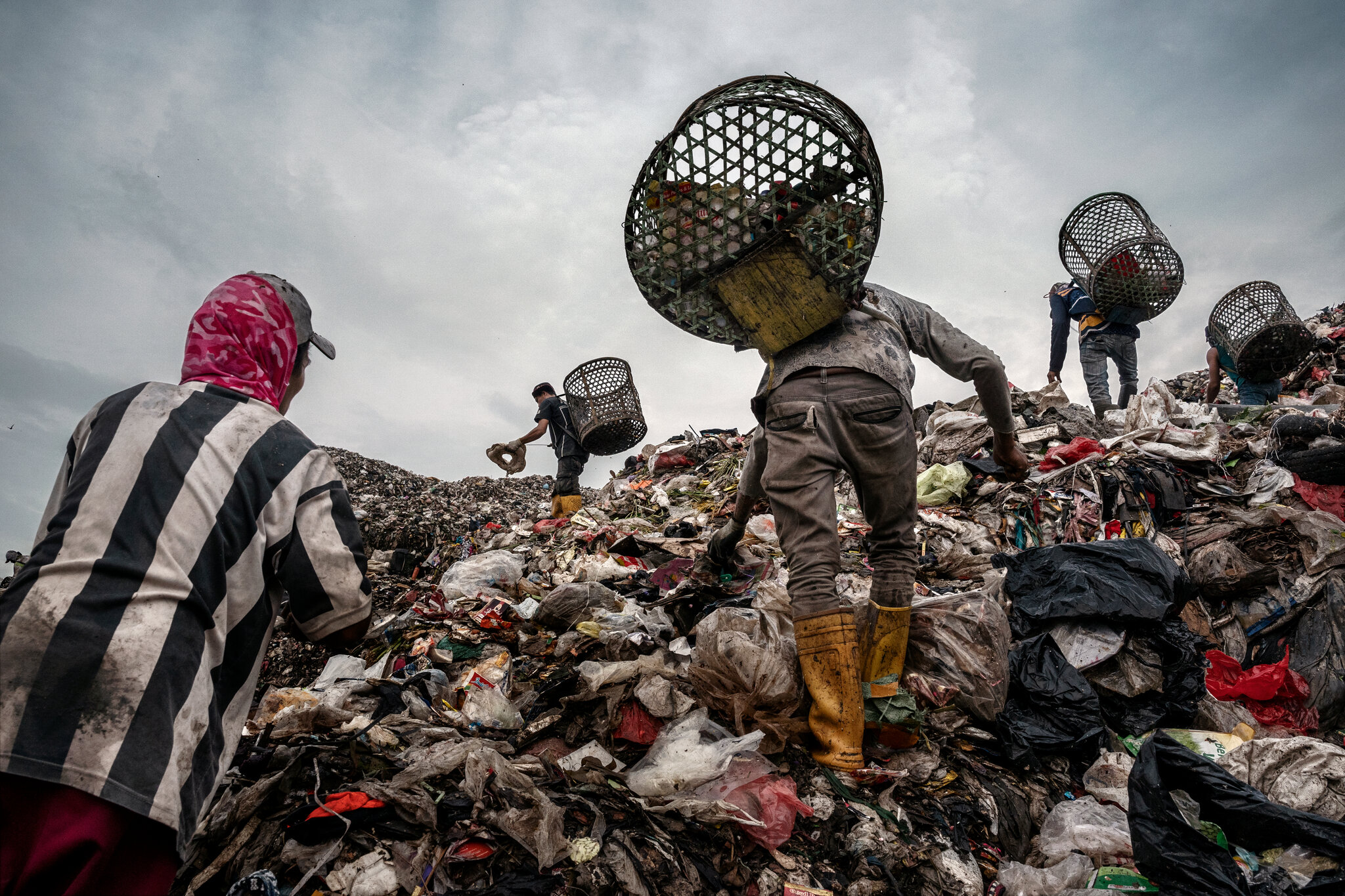
An Unexpected Marketplace
Advanced Recycling has transformed what was once considered industrial refuse into a commodity worth trading, creating an entire economy around post-industrial plastic waste. There exists, hidden in plain sight, a bustling marketplace where yesterday’s manufacturing offcuts become tomorrow’s raw materials. This is not the world of municipal recycling bins and household waste, but rather the sophisticated business of buying and selling plastic scrap between industries. It is a realm where quality grades matter, where purity commands premium prices, and where waste is anything but worthless.
The Genesis of Post-Industrial Scrap
Manufacturing facilities generate plastic waste differently than households do. When a factory produces plastic components, it creates edge trim, rejected parts, purge material, and runners from injection moulding. Unlike consumer waste, this material is typically clean, uncontaminated, and of known composition. It emerges from controlled processes, documented and traceable.
This distinction matters enormously. A manufacturer knows precisely which resin was used, which additives were incorporated, and which batch it came from. Such certainty carries value in a market where contamination can ruin entire lots of recycled material.
The Quality Hierarchy
Not all plastic scrap commands equal prices. The market operates on a sophisticated grading system:
Virgin-equivalent scrap
Clean production waste, single-polymer, immediately reusable
Regrind material
Ground-up clean scrap, slightly lower quality but highly valuable
Mixed industrial waste
Multiple polymers requiring sorting but relatively clean
Post-consumer waste
The most challenging category, requiring extensive processing
Singapore’s Advanced Recycling sector has demonstrated how this hierarchy influences trading patterns, with premium prices for materials that can directly substitute virgin resin.
The Economics of Trading
The plastic scrap business operates on principles familiar to any commodity market. Prices fluctuate based on virgin resin costs, supply and demand dynamics, and global economic conditions. When oil prices rise, virgin plastic becomes expensive, making recycled materials more attractive. When they fall, recycled content must compete more aggressively.
Traders occupy a crucial middle position. They aggregate material from multiple manufacturers, sort and grade it, then connect sellers with buyers who need specific resin types. It is matchmaking of a peculiar sort, pairing waste streams with production needs.
Understanding Material Specifications
Buyers of plastic scrap demand exacting specifications. They need to know the melt flow index, the moisture content, the percentage of contamination, and countless other technical parameters. A slight deviation can affect processing equipment or compromise final product quality.
This is where expertise becomes valuable. Successful traders understand polymer chemistry, recognise visual indicators of quality, and can certify material properties. They speak the language of both sellers and buyers, translating manufacturing waste into production feedstock.
The Geographic Dimension
Plastic scrap trading is increasingly global. Material generated in one continent may be processed in another, then manufactured into products elsewhere. Transportation costs, import regulations, and environmental standards all influence trade flows.
Advanced Recycling technologies have expanded the geographical scope of this trade by enabling processing of materials previously considered too contaminated or mixed for international shipment. When materials can be broken down and purified at molecular levels, borders become less constraining.
Building Trust in Transactions
The scrap business relies heavily on trust and reputation. Buyers cannot thoroughly inspect every shipment before purchase, especially in international trade. They depend on accurate descriptions, consistent quality, and honest dealing.
Successful traders build reputations over years. They stand behind their material specifications, handle disputes fairly, and maintain relationships across market cycles. In this sense, the business resembles traditional commodity trading more than modern e-commerce.
Environmental and Economic Synergy
What makes this marketplace particularly compelling is its dual benefit. Economically, it recovers value from what would otherwise represent lost investment. Environmentally, it reduces demand for virgin materials and diverts waste from disposal.
Singapore’s Advanced Recycling initiatives have highlighted how industrial scrap trading creates circular economy loops at the manufacturing level, preventing waste generation rather than merely managing it after the fact. This upstream intervention proves more efficient than downstream recovery.
Challenges in the Trade
The business faces genuine obstacles:
- Volatile commodity prices creating uncertainty
- Quality verification across distance and time
- Regulatory variations between jurisdictions
- Competition from virgin material producers
- Contamination risks in aggregated loads
Advanced Recycling can address some challenges, particularly around contamination and material quality. By offering pathways for materials that traditional mechanical recycling cannot handle, these technologies expand the total addressable market for scrap traders.
The Future Landscape
As environmental regulations tighten and corporate sustainability commitments grow, demand for recycled content increases. This shifts the economic equation, potentially making post-industrial scrap more valuable relative to virgin materials.
Digital platforms are also emerging, bringing transparency and efficiency to transactions historically conducted through personal relationships and phone calls. Blockchain verification, real-time pricing data, and standardised quality certifications may modernise this traditional trade.
A Market With Purpose
The business of buying and selling plastic scrap represents capitalism functioning as it should: finding value where others see waste, creating economic incentives aligned with environmental benefit, and building systems that reward efficiency. It is not perfect, and challenges remain, but it demonstrates how markets can drive sustainable outcomes when properly structured. The continued growth and sophistication of this sector, supported by technologies like Advanced Recycling, suggests that waste is merely a temporary state, and resources, once created, need never truly be lost.