
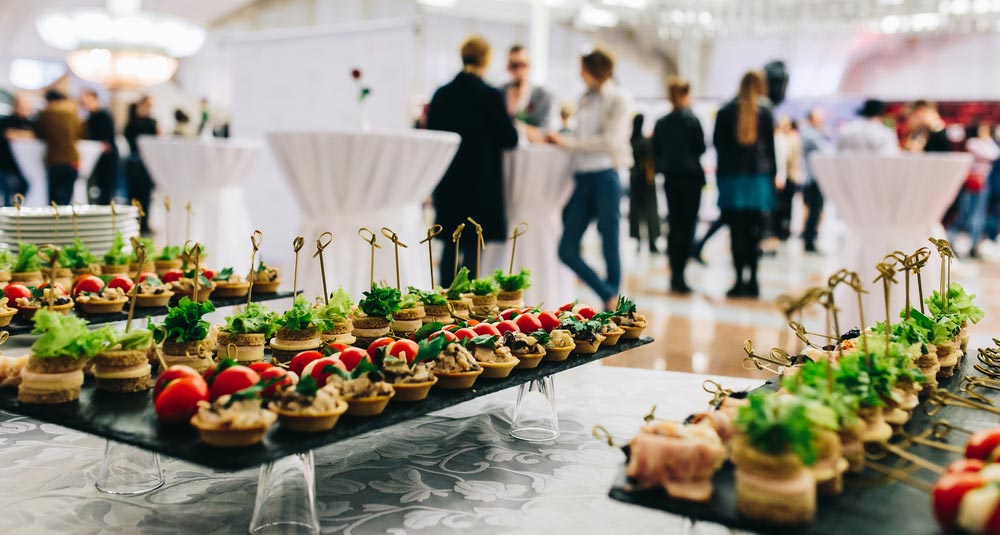
Corporate events depend on rhythm, timing, and guest comfort. From arrival to closing remarks, every detail affects how smoothly the day progresses. Food service often sits at the center of that experience, quietly guiding transitions and setting expectations. When meals, breaks, and refreshments align with the agenda, participants stay focused and engaged.
In Minnesota’s active business environment, meetings, conferences, and company gatherings demand careful coordination. Corporate event catering in Minnesota plays a key role by supporting schedules, managing service flow, and creating a professional atmosphere that allows organizers and attendees to concentrate on purpose rather than logistics.
Clear Planning Creates Steady Event Momentum
Professional caterers approach corporate functions with a structured mindset. Every stage receives attention, from menu design to final cleanup. This preparation supports a predictable rhythm throughout the event.
Coordination Before Event Day
Early collaboration allows caterers to match food service with the agenda.
- Menu options suit meeting length and audience preferences
- Service schedules align with speaker sessions and breaks
- Space use plans avoid congestion near seating or entry points
This level of preparation reduces pauses and keeps attendees attentive.
Seamless Transitions Between Sessions
Smooth transitions help maintain focus. When meals appear at the right moment, attendees move naturally between sessions without confusion. Buffets, plated lunches, or refreshment stations each serve a purpose based on time limits and group size.
Menu Choices Shape Guest Energy Levels
Food quality influences alertness and mood. Corporate guests expect meals that feel satisfying without causing fatigue. Caterers with experience in business events select balanced menus that fit professional settings.
Heavier options suit evening receptions, while lighter fare works better for midday meetings. Beverage stations placed near session exits allow quick refreshment without crowd build-up. These choices help maintain steady participation across the schedule.
Service Style Matches Event Objectives
Different events require different service approaches. A formal leadership dinner calls for attentive table service, while a training seminar benefits from quick-access stations. Caterers guide hosts toward formats that support the desired pace.
Common Service Formats for Corporate Events
- Plated meals for structured agendas and fixed seating
- Buffet service for flexible networking breaks
- Boxed meals for time-sensitive workshops or off-site sessions
Each format influences how guests move, converse, and return to scheduled activities.
Professional Staff Maintain Order and Comfort
Trained catering teams understand corporate etiquette. Staff members manage food service quietly and efficiently, which keeps attention on presentations rather than distractions. Clear roles among servers, supervisors, and coordinators prevent confusion behind the scenes.
Experienced teams anticipate needs such as water refills, allergy requests, or room resets between sessions. This awareness helps events stay on schedule without constant direction from organizers.
Catering Services Aligned With Corporate Needs
Some catering providers focus on business functions and understand the demands tied to professional gatherings. Services often include menu customization, delivery coordination, and staff support designed for meetings, conferences, and corporate celebrations. These offerings help organizers maintain a polished experience without unnecessary complexity.
As companies continue to host diverse gatherings, Corporate event catering in Minnesota remains a practical support system that aligns food service with professional standards and event structure.
Professional catering supports corporate event flow through careful planning, appropriate service styles, and attentive staff support. Balanced menus help maintain guest energy, while clear coordination keeps schedules intact. Minnesota business events benefit from caterers who understand local venues and professional expectations. When food service aligns with event goals, gatherings feel organized, comfortable, and productive from start to close.