
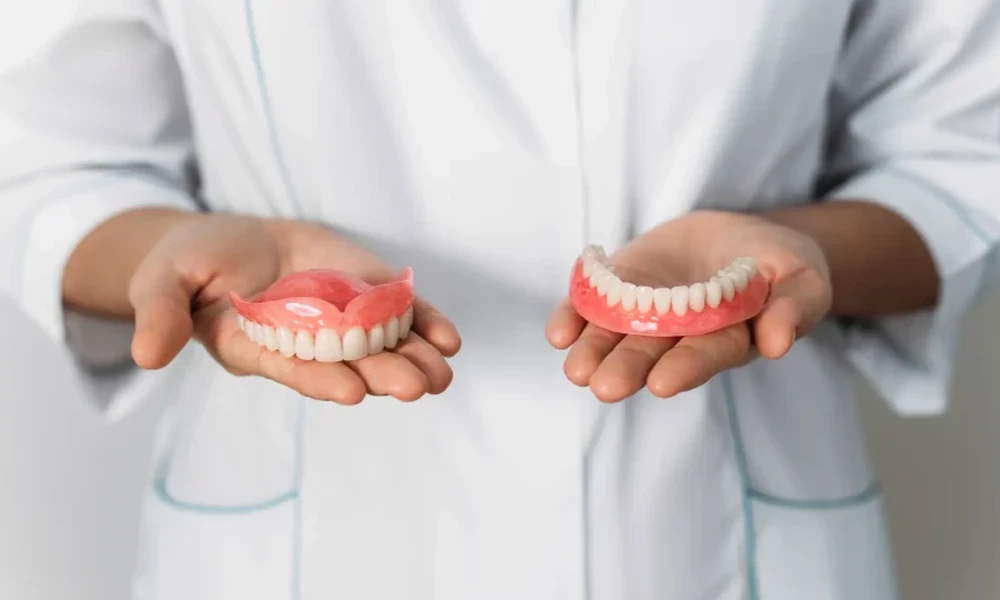
Lower-cost dentures exist, and most of the people who need them have been quietly terrified about the price for months before they walk in. I have watched neighbors in McCracken County put off a denture consultation because they assumed a four-figure bill, then find out a basic setup costs far less than a used riding mower. The trick is knowing which questions to ask before you sit in the chair.
This guide covers what actually drives the price, how fit works, and how to get through the first thirty days without hiding from supper. If you want to see the full menu of options side by side, look at Affordable Dentures in Paducah, KY, and compare the basic, premium, and digital tiers before you call. It saves a lot of guessing.
What really drives the cost of dentures
The material is the biggest lever. Economy dentures use standard acrylic and basic teeth. Premium sets use higher-grade acrylic and teeth that resist staining and wear, which matters more than people expect once coffee and sweet tea enter the picture. Digital dentures sit near the top because the design is scanned and milled, and the fit tends to land tighter on the first try.
Two things people forget to price: the extractions that come before the denture, and the adjustments afterward. Most insurance plans treat those separately, and Medicare generally does not cover routine dental care, which catches a lot of folks off guard. If you are on a fixed income, ask for the total number in writing before you agree to anything.
Here’s a rough way to think about the tiers. This table is a general guide, not a quote, so treat it as a starting point for your own conversation.
| Option | Best for | Trade-off |
|---|---|---|
| Economy | Budget first, basic function | Shorter lifespan, more wear over time |
| Premium | Everyday eating, appearance, durability | Higher upfront cost |
| Digital | Fewer return visits, precise fit | Highest price, depends on the lab |
I would pick premium for anyone planning to wear the set daily for years. The gap between basic and premium usually costs less than replacing a basic set early, and the wear difference shows up fast.
How the fitting process actually works
You will not walk out the same day with a finished set, and anyone who promises that is skipping steps that matter. The usual path runs through impressions, a bite record, a wax try-in where you actually look at the teeth in your mouth, and then the final insert. That try-in stage is where you speak up. If the front teeth look too long or too bright, say so now, because fixing it after the acrylic is cured means a remake.
Sore spots in the first couple of weeks are normal and expected. Your gums are adjusting, and pressure points show up where the denture rests. Keep a short note of where it hurts and when, then bring that note to your adjustment visit. Vague complaints like “it hurts on the left” slow everything down. Specific ones like “sharp pressure when I bite into bread on the lower left” get fixed in minutes.
A first-month routine that saves your gums
Plan on soft food for the first week or two and reintroduce harder textures slowly. Eggs, mashed potatoes, soft-cooked vegetables, and flaky fish are honest starting points. Bite evenly on both sides when you do move to firmer food, because chewing on one side tips the denture and creates a sore spot.
Cleaning takes five minutes a night. Take the denture out, brush it with a soft brush, and use a denture cleanser rather than regular toothpaste, which is too abrasive for acrylic. Your gums need attention too. The CDC notes that good oral hygiene habits support overall health, and that includes brushing your gums and tongue gently each day. Soak the denture overnight so your tissues get a rest, and never drop it on a tile floor. That is the single most common way people break a set.
One more thing: expect your speech to sound strange for a few days. Read the newspaper aloud for ten minutes each morning. It works faster than anything else I have seen.
Do you need a denture, a partial, or something else?
A full denture replaces all teeth in one arch. A partial fills a gap when some natural teeth remain and can anchor to them. Implants support a denture when bone loss makes a traditional set unstable. That call belongs to a dentist who can look at your X-rays and gum health, not to a website, and definitely not to a friend’s opinion at the church potluck.
Bring a list of medications to every visit, along with any questions you were too embarrassed to ask. There are no silly ones in a denture consult. Ask how long the set should last, what a reline costs, and who handles an emergency on a Saturday.
Practical steps before you book
- Call your dental insurance and ask exactly what is covered for dentures, extractions, and adjustments.
- Write down three priorities: budget, appearance, or durability. Rank them honestly.
- Ask for a written treatment plan with every line itemed out.
- Schedule a consult and bring someone whose opinion you trust on how your smile looks.
- Clear two days after the final insert for adjustment time.
That last point matters. The Bureau of Labor Statistics tracks how much of the workforce has limited paid time off, and many people burn a personal day on the second adjustment instead of planning ahead. Do the planning.
The bottom line on budget dentures
You do not have to choose between a smile you can live with and a bill you can pay. The economy tier works fine for plenty of people, premium is worth the stretch for daily wearers, and digital makes sense when precision saves you repeat visits. What matters is getting every cost in writing and speaking up at the try-in, because that ten-minute appointment decides how the next several years feel.
What is the one question you keep avoiding about your teeth? Write it down, bring it to your next visit, and ask it out loud. Dentists have heard it before, and the answer is usually better than you feared.