
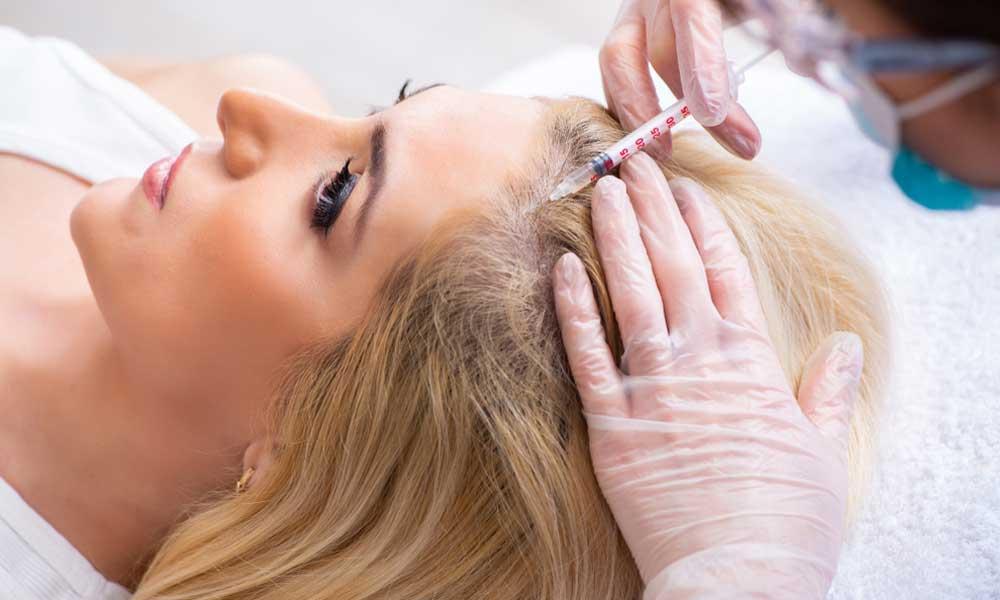
Hair loss can feel personal and frustrating. Many people notice changes slowly, then one day it feels impossible to ignore. Thinning areas, a widening part, or a receding hairline usually raise questions about long-term appearance. This article explains key points to consider before selecting a hair restoration procedure. It covers expectations, procedure types, recovery factors, and professional guidance so decisions feel clear and steady.
Some men explore clinical options as examples, such as SmartGraft Houston solutions for balding men, while comparing methods and outcomes. This kind of reference helps frame what modern procedures can offer without rushing into choices. Understanding the basics first supports better results later.
Personal Hair Loss Patterns Matter
Every hair loss pattern tells a different story. Genetics, age, and lifestyle shape how thinning appears over time. A procedure that works for one person may not suit another. That is why evaluation matters early in the process.
Professionals review density, donor hair strength, and scalp health. These factors influence results and longevity. People in Houston usually ask how climate and daily habits affect outcomes. Clear insight into personal patterns prevents unrealistic expectations and supports smarter planning before any procedure begins.
Procedure Types and What They Address
Hair restoration procedures vary in approach and purpose. Each option focuses on specific needs and levels of hair loss. Understanding these differences helps narrow choices.
Common options include:
- Follicle unit procedures that relocate healthy hair
- Scalp-based treatments that improve appearance density
- Medical support plans that slow further loss.
Some clinics reference options similar to SmartGraft Houston solutions for balding men as examples of modern techniques. These references show how technology supports precision without guaranteeing identical results for everyone.
Recovery Time and Lifestyle Impact
Recovery plays a major role in procedure selection. Some methods require short downtime. Others involve several weeks of visible healing. Lifestyle, work schedules, and comfort levels all factor into timing.
Consider these recovery points:
- Time away from work or social events
- Care routines during early healing
- Physical activity limits
People living in Houston usually plan procedures around seasonal schedules or travel. Understanding recovery expectations avoids stress and helps align treatment with daily life responsibilities.
Questions to Ask During Consultation
A consultation sets the foundation for confidence and clear expectations. The right questions create trust and help define what success looks like for each person. These conversations also reveal how well a procedure aligns with personal goals and comfort levels.
Helpful topics include:
1. Expected Results
Ask how density and coverage may look over time and what level of change feels realistic. Clear examples help set visual expectations without false promises. This discussion also explains how results may progress month by month.
2. Long-Term Maintenance
Learn what care supports lasting results and how daily habits affect outcomes. Maintenance plans vary based on hair type and procedure choice. Understanding upkeep prevents surprises after treatment.
3. Procedure Suitability
Confirm why a specific method fits your hair type and loss pattern. Professionals explain how donor areas and scalp health influence selection. This clarity ensures the approach matches both short and long-term goals.
Many residents value open conversations that explain limits alongside benefits. Honest answers protect appearance goals and reduce uncertainty. This transparency supports comfort before and after the procedure.
Professional Guidance Over Self-Research
Online research helps start the journey, but it cannot replace expert review. Photos and testimonials lack context. Professionals evaluate scalp health, donor areas, and progression risk.
Some people reference examples such as SmartGraft Houston solutions for balding men during research, but final decisions rely on clinical insight. Guidance tailored to local lifestyles and conditions supports realistic outcomes. Expert evaluation replaces assumptions with facts and leads to steadier satisfaction after treatment.
Choosing a hair restoration procedure requires patience and preparation. Personal hair patterns, procedure types, recovery demands, and expert guidance all play a role. Clear questions and honest consultations reduce uncertainty. Research examples help frame options, but professional input shapes final decisions. With thoughtful planning, results feel more natural, and confidence grows over time without pressure or rushed choices.