
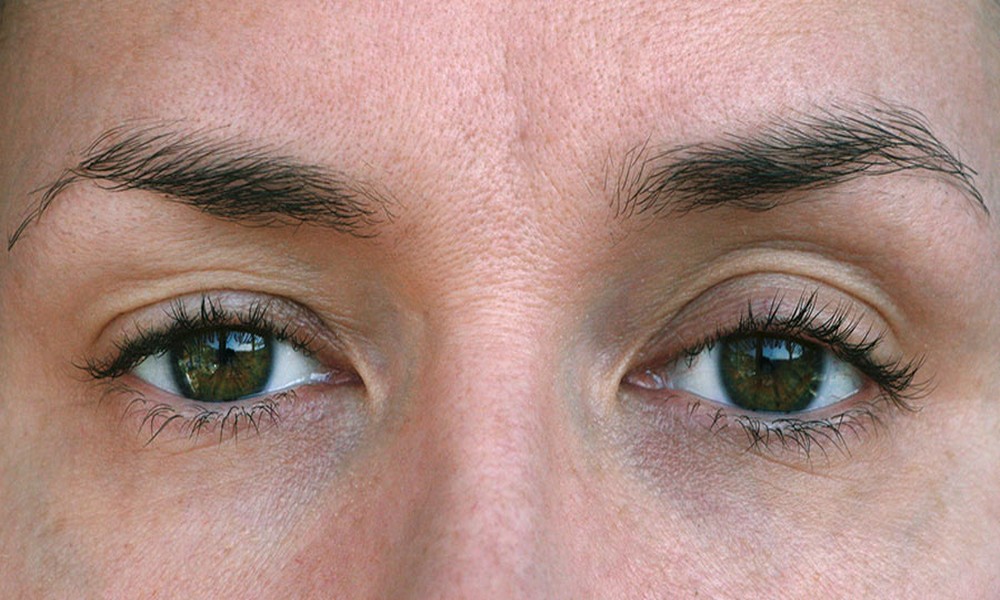
Ptosis, or eyelid muscle weakness, is a condition in which the upper eyelid sits lower than its normal anatomical position. It can be caused by several factors, including aging, daily visual habits, or dysfunction of the muscles and nerves responsible for lifting the eyelid. In the early stages, the condition may not be clearly noticeable, but gradual changes in eyelid position and eye-related behaviors may become more evident over time.
Careful observation of early signs is important, as it can help provide a better understanding of possible changes in eyelid function. The following sections outline 10 symptoms that may be associated with ptosis as a general reference for initial self-observation.
What Is Ptosis?
Ptosis, or eyelid muscle weakness, is a condition in which the upper eyelid sits lower than its normal anatomical position, causing the eye to appear partially closed or less open than usual. It may affect one eye or both eyes and can vary in severity from mild to more noticeable eyelid drooping. This condition is generally associated with dysfunction of the muscles responsible for lifting the eyelid, the nerves that control these muscles, or structural changes in the eyelid itself.
Clinically, ptosis may present in different degrees and does not always affect vision in the same way. In some cases, it may have minimal impact, while in others it can partially obstruct the visual field and influence visual comfort in daily activities. Understanding this condition provides a basic framework for observing eyelid changes and recognizing early signs that may warrant further medical evaluation when appropriate.
10 Symptoms of Ptosis and How to Observe Them
Ptosis may present through a variety of subtle signs that develop gradually over time. These changes are often noticed in daily visual function, facial muscle behavior, or eyelid positioning. Understanding these early indicators can help provide a clearer picture of how eyelid function may be changing, even before the condition becomes more apparent.
1. The upper eyelid appears lower than usual
One of the most common early signs is a gradual lowering of the upper eyelid, which may cover more of the iris than before. This can make the eyes appear smaller or less symmetrical between both sides, and the difference may become more noticeable when comparing photographs over time.
As the condition progresses, more effort may be required to fully open the eyes, and individuals may feel that their eyes do not open as widely or easily as before.
2. Frequent, unconscious eyebrow elevation
Individuals may unconsciously use the forehead muscles to lift the eyebrows in order to improve visual field and open the eyes more widely. This is a compensatory behavior that occurs when the eyelids do not open fully.
Over time, this repeated muscle use may lead to more visible forehead tension or fine lines, reflecting ongoing compensatory effort from surrounding facial muscles.
3. Eyes tire easily during prolonged visual use
Eye fatigue may occur more quickly than usual, especially during prolonged screen time or reading. This happens because the eyelid muscles must work harder to maintain an open visual field.
As a result, discomfort or fatigue around the eyes may appear sooner than expected, even during relatively short periods of visual concentration.
4. Reduced visual clarity toward the end of the day
In some cases, eyelid drooping becomes more noticeable in the evening or after extended visual activity. This may lead to a perception of reduced visual sharpness compared to earlier in the day.
This pattern is often associated with muscle fatigue in the periocular region, which can affect eyelid elevation and overall visual comfort over time.
5. Frequent head tilting or posture adjustment
Some individuals may unconsciously tilt their head upward to improve their field of vision. This compensatory posture helps increase the amount of light entering the eyes and reduces obstruction caused by the drooping eyelid.
If persistent, this behavior may become habitual and can be observed in daily activities when focusing on objects or screens.
6. Heaviness around the eyelid area
A sensation of heaviness or pressure around the upper eyelid may be present, even without pain or inflammation. This sensation is typically related to increased muscular effort required to lift the eyelid.
Over time, this feeling may become more noticeable, especially during prolonged visual tasks or periods of fatigue.
7. Asymmetry between both eyes
A visible difference in eyelid height between the two eyes may occur, where one eye appears smaller or more closed than the other. This asymmetry may be more apparent when looking straight into a mirror or in photographs.
In some cases, this difference may gradually become more pronounced over time, affecting overall facial balance.
8. Difficulty applying eye makeup
Applying eye makeup, such as eyeliner or eyelid shading, may become more challenging due to the drooping eyelid partially covering the eyelid surface. This can result in uneven or inconsistent makeup application.
Individuals may need to adjust their makeup technique, although symmetry between both eyes may still be difficult to achieve.
9. Intermittent visual distortion at certain angles
Some individuals may experience inconsistent visual clarity or slight blurring at certain viewing angles. This may occur when the eyelid partially obstructs the visual axis.
These symptoms are often intermittent and may become more noticeable under specific lighting conditions or during periods of fatigue.
10. Progressive eyelid drooping with age
With aging, the muscles responsible for lifting the eyelid may gradually weaken, leading to a more noticeable appearance of ptosis over time. This change typically occurs gradually and may be influenced by lifestyle factors and individual anatomical characteristics.
The progression is usually slow and varies from person to person depending on underlying muscle strength and daily habits.
Ptosis, or eyelid muscle weakness, may present through various signs such as eyelid drooping, eye asymmetry, increased forehead muscle use, and visual fatigue during daily activities. These changes often develop gradually and may be influenced by aging and lifestyle factors. Careful observation of early symptoms can help provide a better understanding of eyelid changes and support appropriate clinical evaluation when necessary.
For individuals who observe symptoms potentially related to Ptosis (กล้ามเนื้อตาอ่อนแรง) professional evaluation is recommended, as the underlying causes may vary and require individualized assessment. At Saonanon Clinic, emphasis is placed on comprehensive periocular evaluation to help analyze contributing factors and provide appropriate care planning based on each patient’s unique anatomical structure and condition.