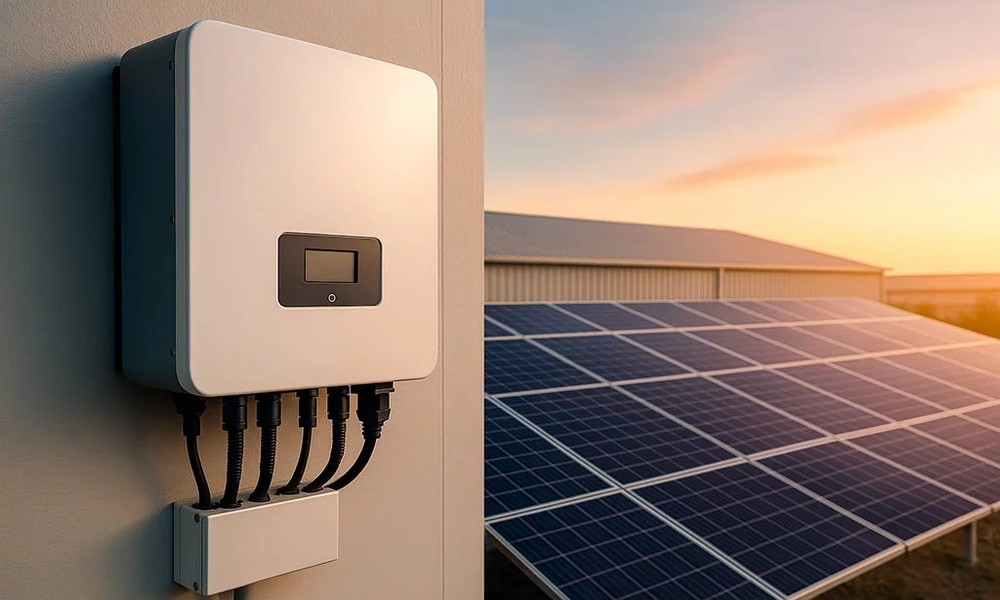
Installing a solar cell system today is not just about reducing electricity bills; it is also a long-term investment that requires careful consideration of every component-especially the inverter. The inverter plays a crucial role in converting solar energy into usable electricity and directly impacts the overall efficiency of the system. It’s no surprise that many people ask “Which solar cell inverter is good?” and how to choose one that is truly cost-effective and suitable for their needs.
This article will guide you through 10 key factors to help you make an informed decision and choose the right solar cell inverter more easily.
1. High Energy Conversion Efficiency
A high-quality inverter should have an efficiency rating of 95% or higher, as this directly affects how much solar energy is converted into usable electricity. The higher the efficiency, the less energy is lost during conversion from DC to AC power. Over time, even a small difference in efficiency can significantly impact your total energy savings and shorten your system’s payback period. Choosing a high-efficiency solar cell inverter ensures you get the most out of your solar investment.
2. Compatibility with Your System Type
Inverters come in different types, including On-grid, Off-grid, and Hybrid systems. Each type serves a specific purpose depending on your location and energy needs. For example, On-grid systems are ideal for homes connected to the utility grid, while Off-grid systems are suitable for remote areas without electricity access. Hybrid systems offer flexibility by combining both grid connection and battery storage. Selecting the correct type ensures optimal performance and avoids unnecessary system limitations.
3. Stability and Durability
Since solar cell inverters operate continuously throughout the day, they must be built to withstand harsh environmental conditions such as high temperatures, humidity, and dust. A durable inverter with high-quality components will provide stable performance and reduce the likelihood of unexpected failures. This is especially important in tropical climates, where environmental stress can shorten the lifespan of lower-quality devices.
4. Comprehensive Safety Protection
Safety is a critical factor when choosing a solar cell inverter. A reliable model should include multiple protection systems such as surge protection, overvoltage protection, short circuit protection, and temperature control. These features not only protect the inverter itself but also safeguard your home’s electrical system. Proper safety mechanisms reduce the risk of accidents, electrical damage, and costly repairs.
5. Monitoring System Availability
Modern solar cell inverters are often equipped with smart monitoring systems that allow users to track performance in real time via mobile apps or web dashboards. This feature enables you to monitor daily, monthly, and yearly energy production, as well as detect abnormalities quickly. With real-time insights, you can take immediate action if issues arise, ensuring your system operates at peak efficiency at all times.
6. Future System Expansion Support
Your energy needs may grow over time, so it’s important to choose a solar cell inverter that supports system expansion. Scalable inverters allow you to add more solar panels or increase system capacity without replacing the entire setup. This flexibility helps you save money in the long term and ensures your system can adapt to future changes in energy consumption.
7. Warranty and After-Sales Service
A strong warranty is a good indicator of product reliability. Most quality inverters offer warranties ranging from 5 to 10 years or more. In addition, responsive after-sales service is essential for maintenance, troubleshooting, and technical support. Choosing a provider with reliable service ensures your system remains efficient and minimizes downtime over its lifespan.
8. Cost-Effectiveness
The good solar cell inverter is not necessarily the cheapest or the most expensive, but the one that delivers the best value for your specific needs. Consider factors such as efficiency, durability, features, and warranty when evaluating cost. A slightly higher upfront investment can lead to greater savings over time through improved performance and reduced maintenance costs.
9. Ease of Installation and Use
A solar cell inverter that is easy to install can help reduce labor costs and installation time. Additionally, user-friendly interfaces and simple controls make it easier for homeowners to operate and monitor their systems without needing constant technical assistance. This convenience is especially beneficial for first-time solar users.
10. Choose a Trusted Expert
Working with an experienced and reputable provider ensures that you receive accurate recommendations tailored to your needs. From site evaluation and system design to installation and maintenance, experts can guide you through every step. They help you select the most suitable inverter based on your energy usage patterns and budget, ensuring long-term efficiency and reliability.
Choosing the right solar cell inverter is essential for maximizing system performance, safety, and long-term value. Key factors to consider include efficiency, compatibility with your system type, durability, safety features, and smart monitoring capabilities. It’s also important to look at future expandability, warranty coverage, cost-effectiveness, and ease of use.
If you’re wondering “Which solar cell inverter is good?” or “อินเวอร์เตอร์โซลาร์เซลล์แบบไหนดี” the answer depends on selecting a model that fits your specific energy needs and usage behavior. Working with a trusted provider like Ewave ensures you receive end-to-end support-from expert consultation when choosing a solar cell inverter, professional installation by experienced technicians, to reliable after-sales service. This comprehensive support helps you select the most suitable inverter for your home or residence, ensuring optimal performance and long-term peace of mind.