
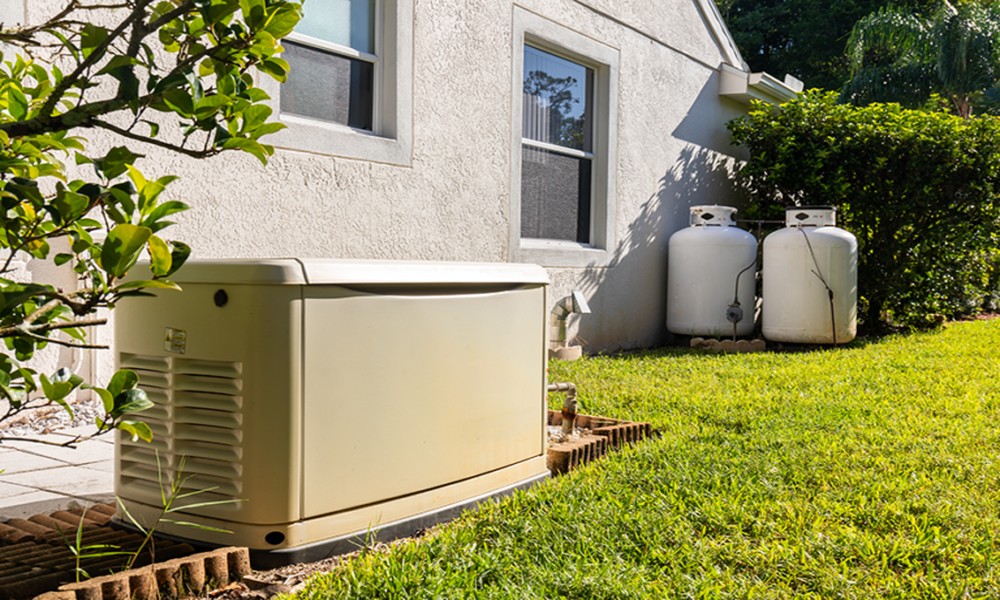
Power outages can strike at the most inconvenient moments, disrupting our modern lifestyles that are heavily dependent on constant electricity. Whether it is a seasonal storm in Thailand or unexpected maintenance on the local grid, having a reliable backup power source is no longer just a luxury-it is a necessity for comfort and security.
To ensure your home remains functional, choosing a high-quality generator is the most effective solution for maintaining lighting, refrigeration, and essential medical equipment. If you are currently researching the best options for your property, you can find expert guidance and premium products to ensure you make a lasting investment. Selecting the right unit requires careful consideration of technical specifications, fuel efficiency, and safety standards to match your specific household needs.
1. Calculate Your Total Power Requirement
The first and most critical step in selecting a home generator is determining the total wattage needed to run your essential appliances simultaneously. You should list every device you intend to power during an outage, including air conditioners, refrigerators, and water pumps, noting both their running and starting (surge) wattage. Choosing a unit with a capacity that is too low will lead to system overloads, while an oversized unit will result in unnecessary fuel consumption and higher upfront costs. It is generally recommended to select a generator that provides a slightly higher output than your calculated total to ensure the system operates smoothly without constant strain on the engine.
2. Decide on the Most Convenient Fuel Type
Homeowners must choose a generator based on the fuel source that is most accessible and cost-effective in their local area, typically choosing between gasoline, diesel, or LPG. Gasoline units are often more affordable and portable, making them ideal for smaller homes, whereas diesel engines are known for their extreme durability and long-term fuel efficiency during extended outages. Some modern households prefer dual-fuel models that allow for seamless switching between gasoline and propane, providing greater flexibility during fuel shortages. Regardless of the type, ensure that your generator fuel system is easy to maintain and that you have a safe, ventilated space for fuel storage that complies with local safety regulations.
3. Prioritize Noise Levels for Residential Areas
Since most homes are located in close proximity to neighbors, the noise level of your generator is a vital factor that affects both your comfort and local peace. Traditional open-frame models can be quite loud, potentially exceeding 70-80 decibels, which can be disruptive during the quiet nighttime hours when backup power is often most needed. To avoid noise complaints and ensure a restful environment, look for an inverter generator or a unit equipped with a high-quality sound-attenuating enclosure or “silent” muffler system. Many premium brands now offer “whisper-quiet” technology, allowing the generator to operate at a volume comparable to a normal conversation, making it much more suitable for high-density residential neighborhoods.
4. Evaluate the Runtime and Fuel Tank Capacity
A reliable generator must be able to run for several hours without requiring constant refueling, especially during overnight blackouts or prolonged storm recovery periods. You should check the manufacturer’s specifications for the “runtime at half load,” which gives you a realistic expectation of how long the unit will operate on a single tank. A larger fuel tank generally offers more convenience, but it also increases the overall weight and footprint of the generator setup. Efficient engine technology is also a key factor, as a modern, fuel-optimized generator will provide more hours of power per liter of fuel compared to older, less efficient mechanical designs.
5. Consider Portability and Storage Requirements
Depending on your home’s layout, you may need a generator that can be easily moved from a storage shed to a designated operating area outdoors. Portable units equipped with heavy-duty wheels and ergonomic handles are much easier to manage for a single person, ensuring that backup power is available exactly where it is needed most. If you live in an area with limited space, compact designs are preferable, provided they do not compromise on the necessary power output for your appliances. Always remember that a generator must never be operated indoors due to carbon monoxide risks, so its portability to a safe outdoor location is a critical safety feature.
6. Check for Advanced Safety and Protection Features
Safety should never be compromised when dealing with high-voltage electrical equipment, so ensure your chosen generator includes essential protective mechanisms. Look for units that feature Automatic Voltage Regulation (AVR) to protect sensitive electronics like laptops and smart TVs from power surges and fluctuations. Additionally, a high-quality generator should have a low-oil shutdown sensor to prevent engine damage and built-in circuit breakers to handle electrical overloads. More advanced models also include Carbon Monoxide (CO) sensors that automatically shut down the engine if dangerous gas levels are detected, providing an extra layer of protection for your family.
7. Select the Right Starting Method
The ease of starting your generator can make a significant difference during a stressful power outage, especially for elderly users or those who may struggle with manual recoil starts. While basic models use a pull-cord, many modern residential units offer an electric start button powered by a small internal battery, making the process as simple as starting a car. For the ultimate convenience, some homeowners opt for an Automatic Transfer Switch (ATS), which detects a grid failure and signals the generator to start and take over the electrical load automatically. Choosing a generator with multiple starting options ensures that you can get your power back up and running quickly and without physical exertion.
8. Assess Maintenance Needs and Spare Parts Availability
To ensure your generator remains ready for an emergency, it requires regular maintenance, including oil changes, spark plug inspections, and air filter cleanings. Before purchasing, research the brand’s reputation for reliability and the ease of finding authorized service centers and genuine spare parts within Thailand. A high-quality generator is a long-term investment, and choosing a brand with a strong local presence ensures that you won’t be left with an unserviceable unit when a minor component fails. Investing in a brand known for engineering excellence reduces the frequency of repairs and extends the overall lifespan of your backup power system significantly.
9. Review Warranty Coverage and Total Value
Finally, compare the warranty terms and the overall value proposition of the generator rather than simply looking for the lowest sticker price. A comprehensive warranty that covers both parts and labor for at least one to two years is a strong indicator of the manufacturer’s confidence in their product’s build quality. Consider the total cost of ownership, which includes initial purchase price, fuel consumption rates, and projected maintenance costs over several years of use. A slightly more expensive, high-efficiency generator often proves to be the more economical choice over time due to lower fuel needs and fewer mechanical breakdowns.
Choosing the right backup power solution is a multifaceted process that involves balancing technical capacity with practical household needs. By focusing on wattage requirements, noise suppression, and safety features, you can select a system that provides seamless protection against the unpredictability of the electrical grid. A well-maintained generator offers more than just electricity; it provides the confidence that your family’s daily routine will remain uninterrupted regardless of external conditions. Taking the time to evaluate these nine factors ensures that your investment will serve your home reliably for many years to come.
When it comes to professional-grade power solutions in Thailand, Chuphotic stands as a leading expert in the field of power protection and backup systems. They offer a comprehensive range of high-performance generator units designed specifically to meet the rigorous demands of both residential and industrial applications. With a focus on innovation, energy efficiency, and robust engineering, Chuphotic ensures that every customer receives a product backed by international standards and exceptional local support. Their team of specialists provides end-to-end service, from technical consultation to professional installation, making Chuphotic the trusted choice for those seeking absolute reliability in their power infrastructure.