
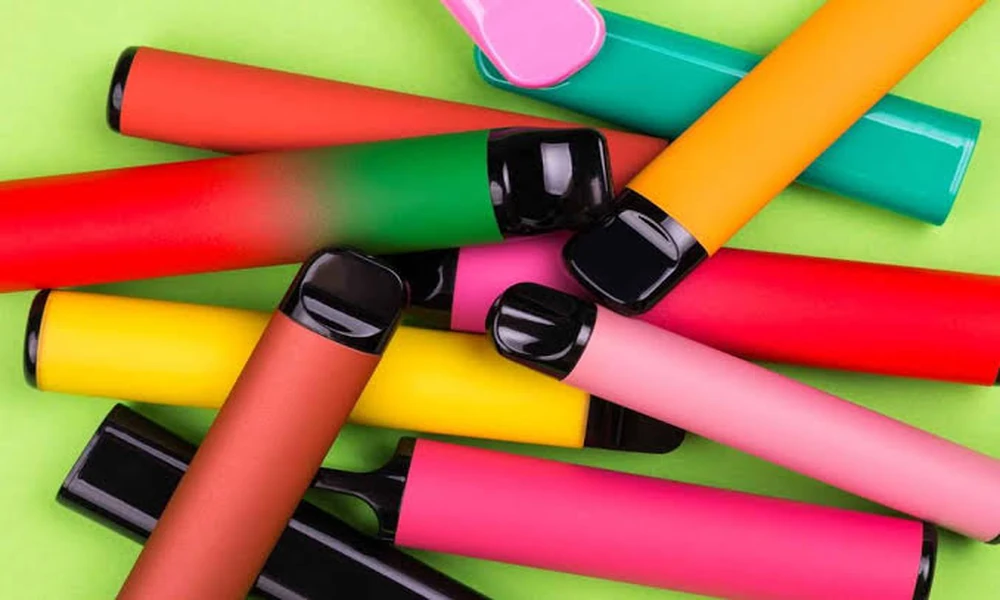
Hemp-derived vape products operate within a distinct regulatory and formulation context that traditional THC hardware was not designed to address. hemp vape devices are built with construction decisions that reflect compliance requirements, oil characteristics, and performance demands specific to hemp-derived cannabinoid formulations rather than simply adapting existing hardware to a different product category.
Regulatory build standards
Regulatory build standards for hemp vape devices reflect the compliance framework that hemp-derived products must meet at the federal level. Those requirements influence hardware construction decisions in ways that traditional THC devices, which operate within state-licensed cannabis markets, are not subject to in the same form.
Hemp-derived THCA must fall within federally defined concentration thresholds at the point of harvest, which affects how brands formulate the oil and what the device needs to handle at the fill stage. Labelling requirements for hemp vape devices must reflect cannabinoid content accurately enough to demonstrate compliance, placing additional demands on batch-specific testing and documentation that hardware manufacturers account for in their production processes. Traditional THC hardware operates within state cannabis licensing frameworks that carry different testing and labelling standards, producing hardware built to different compliance specifications, even when the physical device appears similar on the outside.
Hardware construction
Hemp vape device hardware is built specifically around the viscosity and performance properties of hemp-derived extract formulations. High-concentration THCA oil, live resin, and full-spectrum hemp extracts carry a density that standard THC distillate hardware was not built to manage consistently across repeated sessions.
- Ceramic coil construction appears more frequently in hemp vape devices because the material handles dense extract residue accumulation more effectively than metal alternatives across extended session counts.
- Chamber sizing in hemp devices runs larger to accommodate the volume and concentration levels that hemp-derived cannabinoid consumers typically expect from each fill.
- Airflow calibration is adjusted to match the draw resistance produced by denser oil, requiring a different internal geometry than the airflow systems designed for thinner distillates.
- Battery output ratings in hemp devices tend toward higher milliamp-hour capacity to sustain the coil temperature needed for dense extract conversion across a full charge cycle.
Fill material
Fill material in hemp vape devices differs from what traditional THC hardware is designed to carry in terms of compound type, viscosity, and the conversion process that occurs during use. THCA oil exists in an acidic precursor form that converts into active THC through decarboxylation during the heat of each draw, which means the device must trigger and support that conversion consistently rather than simply delivering a compound that is already active.
Traditional THC hardware is filled with pre-converted distillate, where the active compound is already present before the device is used. Terpene preservation in hemp-derived fills also places different demands on fill material handling than distillate-based THC products, affecting how filling processes and storage conditions are managed from production through to the consumer.
Performance output
- Coil temperature calibration – Hemp vape devices calibrate coil operating temperature to the specific conversion point of THCA extract rather than the lower activation threshold of pre-converted distillate.
- Chamber feed rate – Wider feed channels in hemp devices deliver dense extract to the coil at a rate that maintains consistent vapour production across varying fill levels from full to near-empty.
- Draw resistance – Airflow systems in hemp devices are calibrated to the vapour volume produced by dense extract conversion, which differs from the lighter vapour output of standard distillate hardware.
- Session consistency – Purpose-built hemp vape hardware delivers consistent output across repeated sessions because every component is matched to the specific properties of the oil it carries rather than adapted from a different product category.
Hemp vape devices and traditional THC hardware may share a visual format but differ in the construction decisions that determine how each one actually performs. Regulatory requirements, oil properties, and performance demands each point toward hardware built for the specific category rather than adapted from one designed around different specifications entirely.