
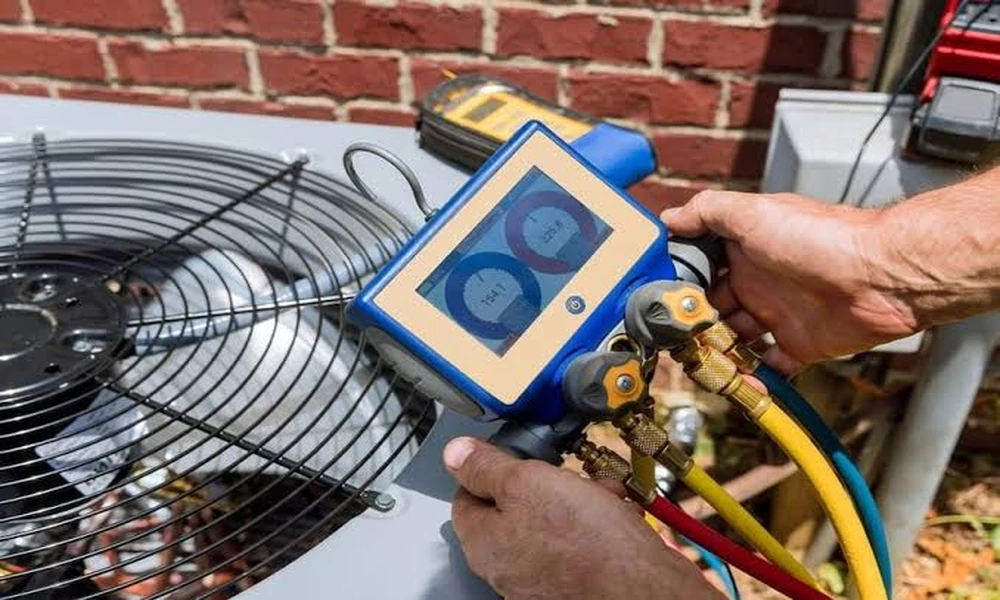
A dependable HVAC system keeps a Denver home comfortable through freezing winters, warm summers, and seasonal weather changes. Small performance issues can gradually affect comfort, indoor air quality, and energy use without creating an immediate breakdown. Recognizing early warning signs helps homeowners address hidden system concerns before they become more expensive problems.
When unusual performance becomes a regular pattern, a complete inspection can reveal issues that simple repairs may not detect. A Top HVAC company in Denver can evaluate heating, cooling, airflow, thermostats, ductwork, humidification, and indoor air quality components as one connected system instead of treating a single symptom. This article explains the most important signs that indicate a full HVAC system evaluation is the right next step.
Uneven Comfort Throughout The Home
Rooms that stay warmer or colder than others often point to an underlying HVAC issue instead of a temporary temperature change. Restricted airflow, aging equipment, thermostat problems, or ductwork concerns can all contribute to inconsistent comfort throughout the house. A complete evaluation helps identify the actual cause before additional strain develops on the system.
Airflow Feels Weak From Supply Vents
Weak airflow makes it harder for heated or cooled air to reach every room efficiently. Dirty components, blower problems, or duct restrictions may reduce overall system performance. Inspecting the entire system helps determine which part affects proper airflow.
Frequent Cycling Between Heating And Cooling
An HVAC system should complete steady operating cycles that maintain indoor comfort. Short cycling or unusually frequent operation places unnecessary stress on important components and may increase monthly utility costs. A detailed inspection checks controls, airflow, equipment condition, and thermostat communication to locate the source of the problem.
Indoor Air Feels Less Comfortable
Changes in indoor humidity or stale air may indicate that the HVAC system is no longer maintaining balanced indoor conditions. Modern residential systems may include humidifiers, air quality equipment, or ventilation components that also require routine evaluation. Reviewing every connected component helps improve overall indoor comfort.
Strange Sounds, Odors, Or Rising Utility Bills
A noticeable rise in monthly energy costs may signal declining HVAC performance, even when thermostat settings remain unchanged. ENERGY STAR states that almost half of the average American household’s annual energy bill goes toward heating and cooling, totaling more than $900 per year. An evaluation can determine whether dirty components, damaged ducts, incorrect controls, or aging equipment are causing unnecessary energy use.
Common warning signs include:
- Rattling, buzzing, or grinding sounds during operation
- Burning or musty odors from supply vents
- Higher utility bills despite similar thermostat settings
- Longer heating or cooling cycles
- Frequent thermostat adjustments to stay comfortable
Older Equipment With Repeated Repair History
Older HVAC systems naturally experience more wear after years of seasonal operation. Multiple repair visits within a short period may indicate that separate components are beginning to decline together instead of failing independently. A Top HVAC company in Denver can perform a complete evaluation to determine the overall condition of the equipment and identify practical recommendations based on system performance.
Dust And Indoor Air Quality Problems
Excess dust around vents, persistent odors, or increased airborne particles may suggest that indoor air quality equipment requires attention. Air filtration, humidifiers, ventilation systems, and ductwork all influence the quality of indoor air in a home. Reviewing these connected components provides a clearer picture of the HVAC system’s overall condition.
Find An HVAC Contractor in Denver Who Identifies System-Wide Problems
A complete HVAC evaluation should examine heating and cooling equipment, ductwork, airflow, thermostat operation, and indoor air quality components as one connected system. An experienced contractor can identify underlying issues that contribute to recurring comfort problems, uneven temperatures, or unnecessary equipment strain. A thorough system-wide assessment also supports informed repair and maintenance decisions that help improve long-term HVAC performance.
A complete HVAC system evaluation provides valuable insight into how every major component works together inside the home. Early identification of airflow problems, cycling issues, aging equipment, and indoor air quality concerns helps support dependable year-round comfort. Regular evaluations also make it easier to plan maintenance and address developing issues before they affect the entire system.